
 back to overview
UNESCO-Welterbe Kloster Lorsch
UNESCO-Welterbe Kloster Lorsch
open daily
Opposite the famous Königshalle, even the museum's architecture breathes history: In 1995, a former jam and artificial honey factory was transformed into a modern exhibition space. While the ground floor houses the monastery's history department and the tobacco museum, the first floor offers space for rotating special exhibitions.
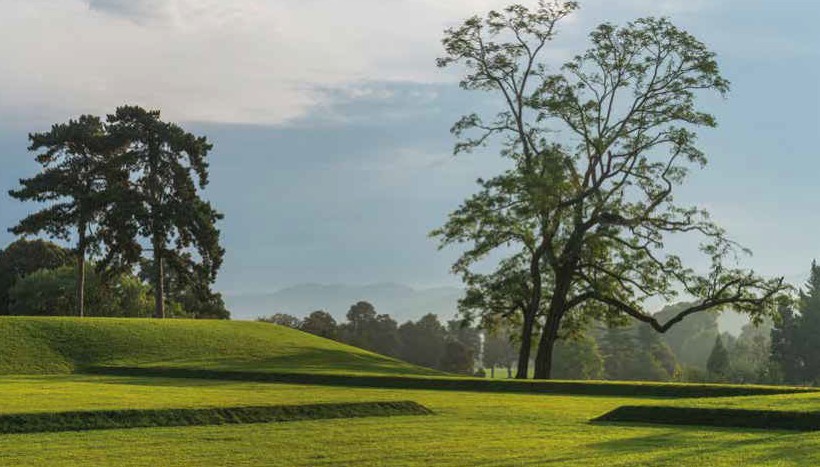
The entire Lorsch Abbey complex has been a UNESCO World Heritage Site since 1991. Visitors can immerse themselves in the Early Middle Ages: In addition to the Carolingian Königshalle and the Romanesque church fragment, buildings such as the forester's lodge and the Adalher House bear witness to the site's long history. Particularly fascinating: The original dimensions of the lost monastery buildings are visualized by relief-like turf imprints. Walking on these surfaces is expressly encouraged – history here truly becomes "walkable."
A botanical gem awaits visitors behind the Zehntscheune: the terraced herb garden. The design of the beds is based on the "Lorsch Pharmacopoeia" (circa 795 AD), which has been a UNESCO Memory of the World document since 2013. Between natural stone walls grow those medicinal plants that were already used in the Middle Ages according to the "doctrine of the four humors." Thanks to comprehensive signage and barrier-free paths, centuries-old monastic medicine is made accessible to every visitor here.