
 back to overview
Schlossgraben Darmstadt
Schlossgraben Darmstadt
7 am until nightfall
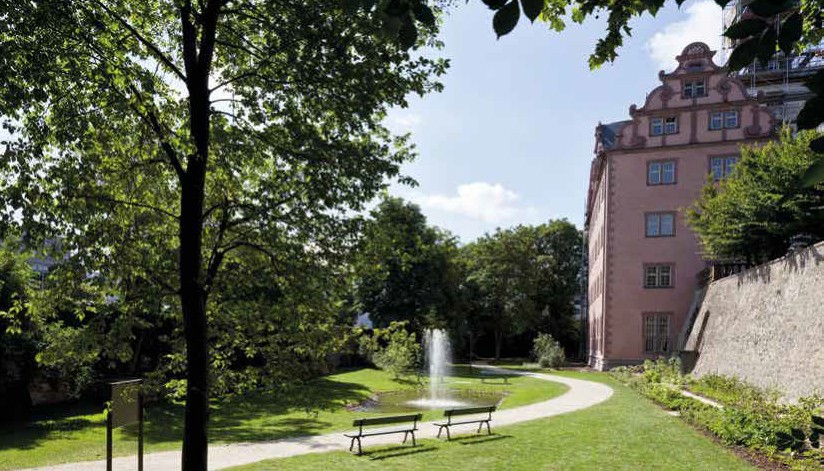
Where today the Schlossgarten invites visitors to linger, a moat once secured the grand ducal palace. As it had become militarily useless in the 19th century and spread unpleasant odours, especially in summer, building officer Johannes Heß proposed a visionary conversion in 1814: draining it and transforming it into a botanical garden. Just ten years later, the area was home to almost 2,000 plant species – the foundation stone for today's Botanical Garden at TU Darmstadt.
In recent years, TU Darmstadt has carefully redesigned the park, integrating the valuable old tree population. A historical area revives the tradition of the classic landscape garden: a special bed presents plants from the ‘Elenchus Plantarum’ that were cultivated here centuries ago. A special feature of Darmstadt is the honeysuckle hybrid Lonicera x purpusii, named after the former garden inspector Joseph Anton Purpus.
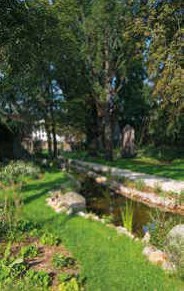
Since 2017, the western part of the garden has been dedicated entirely to biodiversity. Natural meadows and a pond serve as a refuge for numerous insects and rare plant species. During the flowering season, there is a hive of activity at the castle's own beehives. When selecting new plants, such as the American antler tree, particular attention was paid to climate resilience. A pond in the western part also forms a link to the past: it gives an idea of how the castle walls were once reflected in the water.
Once the renovation of the SChlossgarten is complete, an orchard meadow in the south will close the green ring and complete the circular walk. Modern sculptures by various artists add additional accents throughout the garden.