
 back to overview
Kloster Eberbach
Kloster Eberbach
65346 Eltville
April to October: 10 am – 7 pm
April to October: 10 am – 7 pm
April to October: 10 am – 7 pm
April to October: 10 am – 7 pm
April to October: 10 am – 6 pm
April to October: 9 am – 7 pm
April to October: 9 am – 7 pm
April to October: 9 am – 7 pm
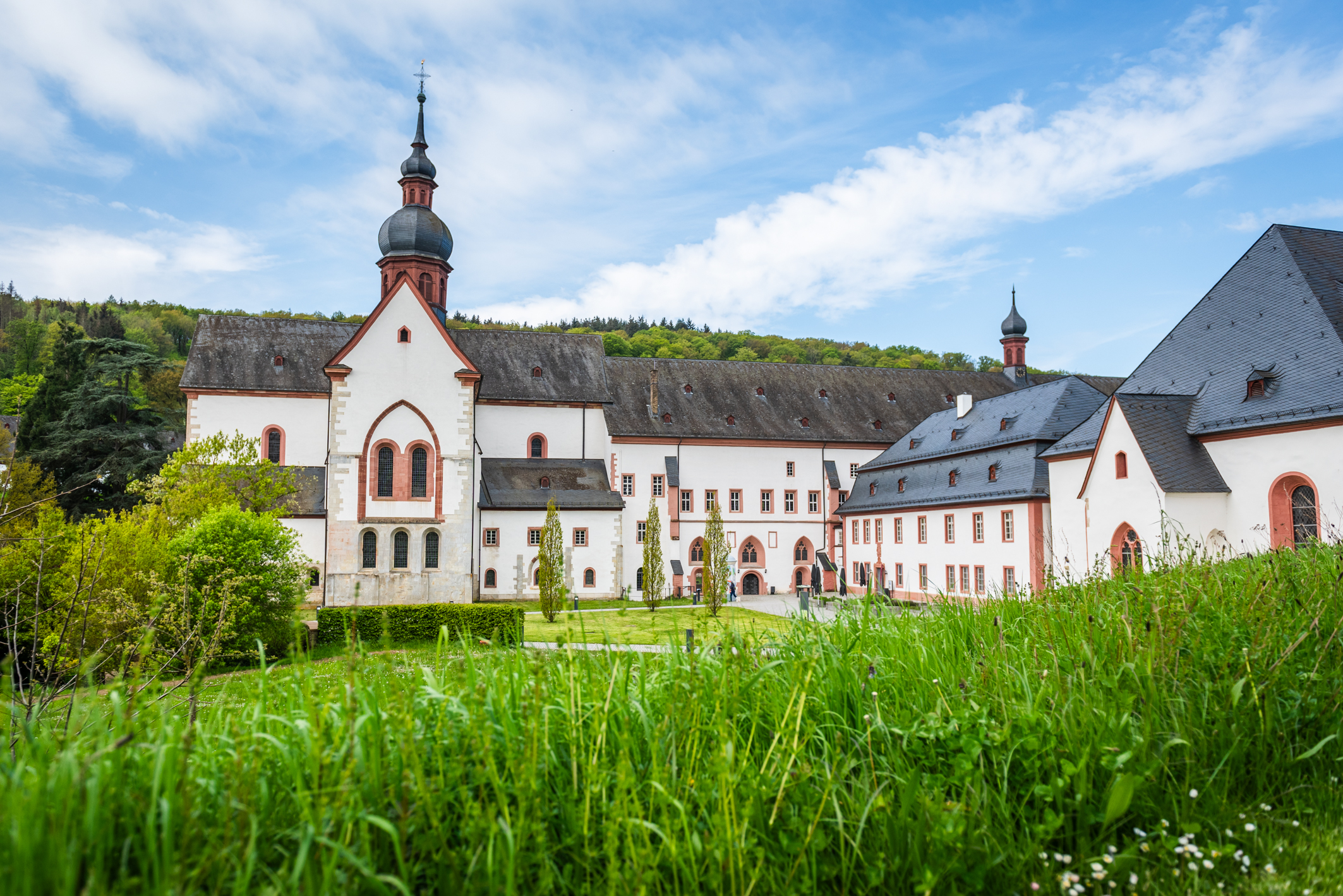
Founded in 1136 by Bernard of Clairvaux, the nearly 900-year-old former Cistercian abbey is a magical place where tradition and modernity come together in a unique way.
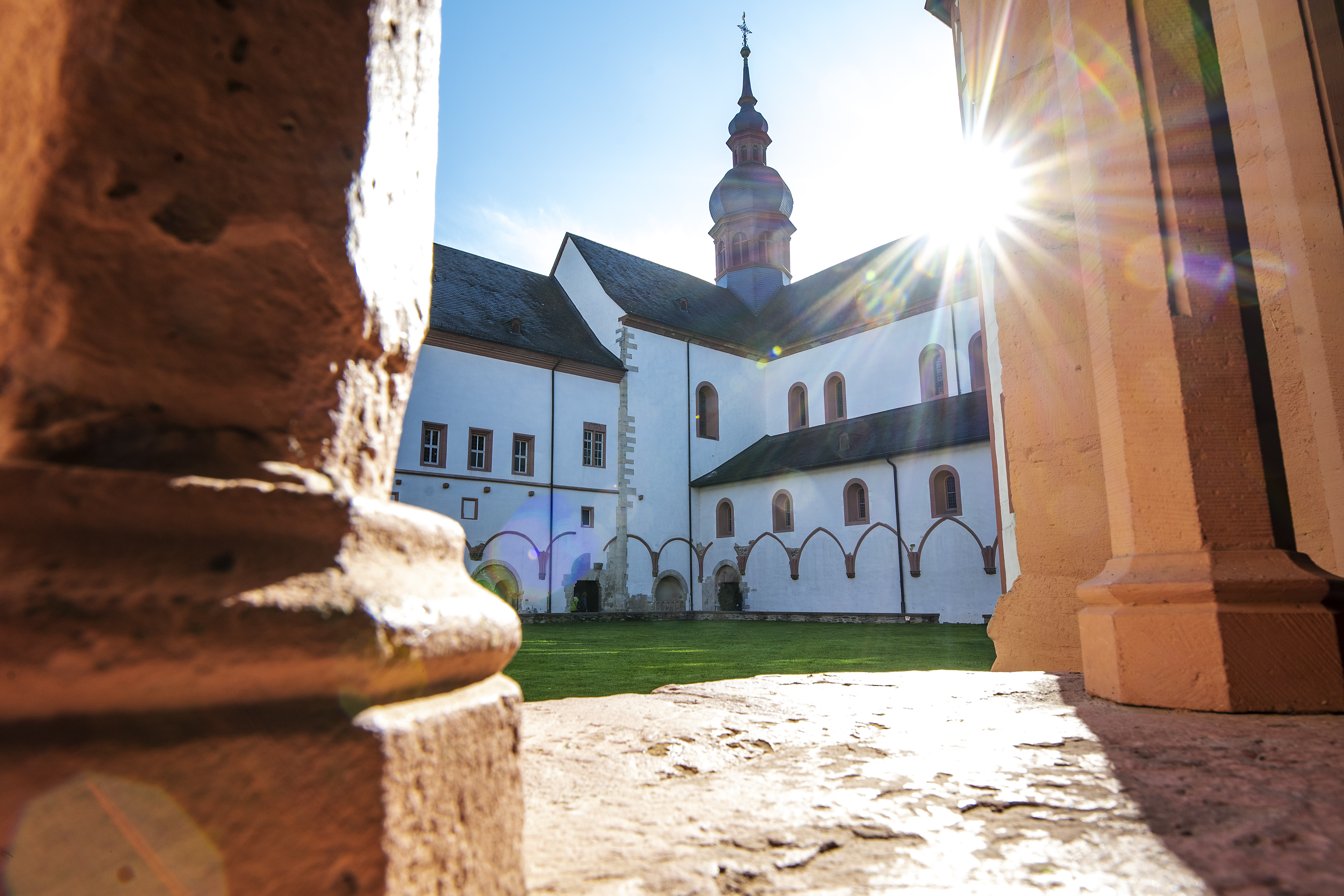
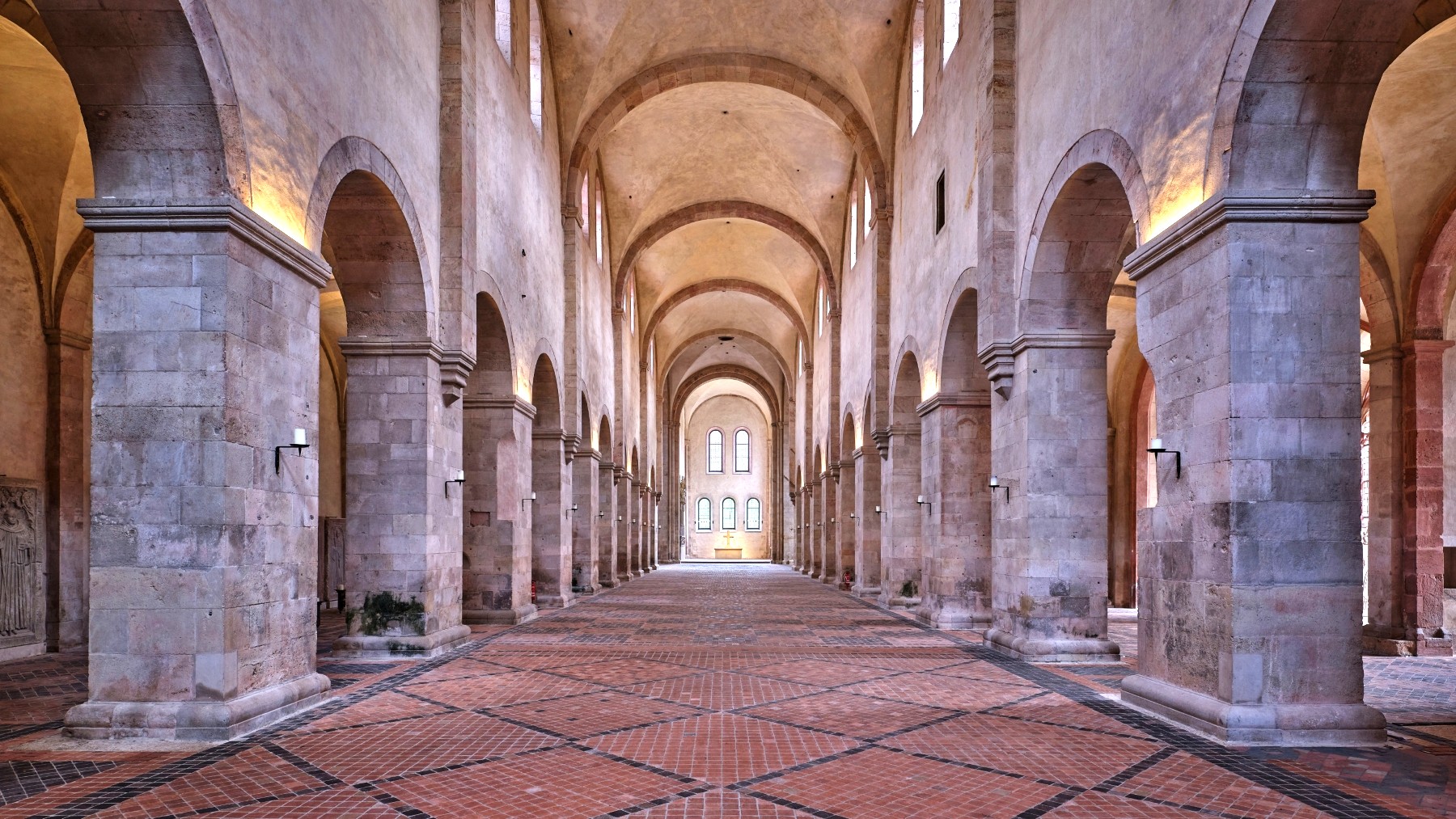
The Kloster Eberbach cultural monument is characterised by the impressive simplicity of Romanesque and early Gothic architecture and is one of the best-preserved historical monastery complexes in Europe. The monks' winegrowing tradition is continued by the winery of the same name.
In 1985, the monastery was the location for the film adaptation of Umberto Eco's bestseller ‘The Name of the Rose’, which made it world famous.
Since 1998, it has been run by the non-profit Kloster Eberbach Foundation, whose tasks are to protect and preserve the complex. It is financed by admission fees, the monastery's own restaurant, the hotel, donations and rental income, among other things.
Every year, hundreds of thousands of visitors experience the hospitality of one of Europe's most popular destinations – in keeping with the Cistercian motto ‘Porta patet, cor magis – our door is open, but our heart is even more so!’